
Creativity in Art and Design: Turning Imagination Into Reality

Creativity is the heartbeat of art and design. It transforms abstract ideas into tangible expressions that inspire, communicate, and evoke emotions. Whether you are an artist sketching your next masterpiece or a designer crafting a brand identity, the process of turning imagination into reality requires a blend of inspiration, skill, and strategic thinking. This article explores how creative design fuels innovation and offers practical insights to help you harness your creative potential effectively.
The Role of Creative Design in Artistic Expression
Creative design is more than just aesthetics; it is the foundation upon which ideas are built and communicated. It involves problem-solving, experimentation, and the ability to see beyond the obvious. Artists and designers use creative design to:
Visualize concepts that do not yet exist
Communicate messages clearly and powerfully
Engage audiences through unique and memorable experiences
For example, a graphic designer working on a campaign might start with a simple sketch, then use digital tools to refine the concept, balancing color, typography, and layout to create a compelling visual story. This process is iterative and requires openness to feedback and adaptation.
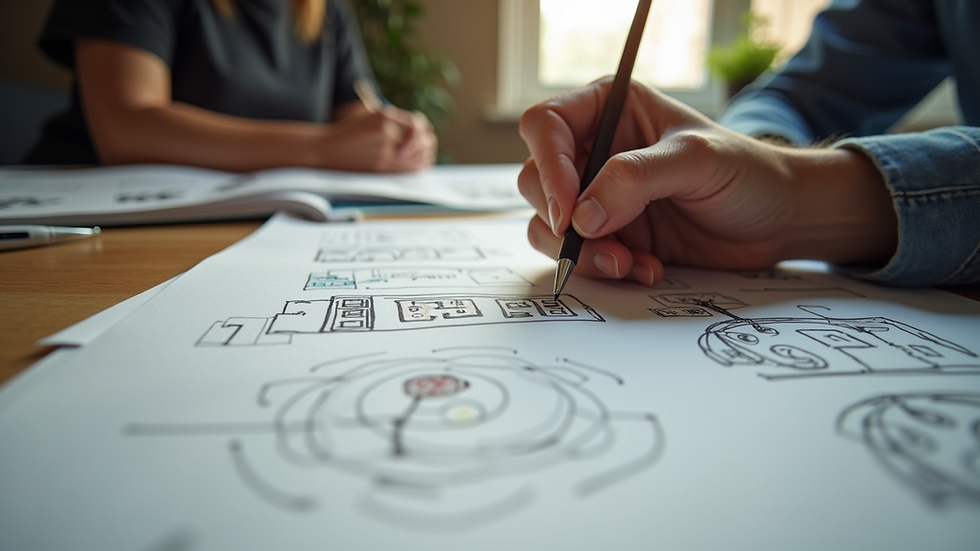
Creative design also plays a crucial role in branding, where the goal is to create a visual identity that resonates with the target audience. By combining creativity with strategic thinking, designers can craft logos, packaging, and marketing materials that stand out in a crowded marketplace.
Techniques to Enhance Creativity in Design
Boosting creativity is essential for producing innovative art and design. Here are some practical techniques to help you unlock your creative potential:
Mind Mapping
Start with a central idea and branch out with related concepts. This visual brainstorming helps organize thoughts and discover new connections.
Mood Boards
Collect images, textures, colors, and typography that inspire you. Mood boards serve as a visual reference and keep your design focused.
Experimentation
Don’t be afraid to try new tools, styles, or mediums. Experimentation often leads to unexpected and exciting results.
Collaboration
Working with others can introduce fresh perspectives and ideas. Feedback and diverse viewpoints enrich the creative process.
Rest and Reflection
Taking breaks and reflecting on your work can spark new ideas and prevent creative burnout.
For instance, a product designer might use mood boards to explore different material finishes and color palettes before finalizing a prototype. This approach ensures the final product is both functional and visually appealing.

The Intersection of Technology and Creative Design
Technology has revolutionized the way artists and designers bring their ideas to life. Digital tools provide unprecedented flexibility and precision, enabling creators to experiment and iterate faster than ever before.
3D Modeling and Printing allow designers to create physical prototypes directly from digital files.
Graphic Design Software like Adobe Creative Suite offers powerful features for image manipulation, vector art, and layout design.
Virtual Reality (VR) and Augmented Reality (AR) open new dimensions for immersive art experiences and interactive design.
For example, architects use 3D modeling software to visualize buildings before construction, allowing clients to experience the space virtually. This integration of technology and creative design enhances communication and reduces costly errors.
Moreover, platforms like illusive creations showcase how digital artistry can blend imagination with reality, producing stunning visual narratives that captivate audiences worldwide.

Practical Tips for Turning Imagination Into Reality
Transforming creative ideas into finished projects requires discipline and organization. Here are actionable recommendations to help you succeed:
Set Clear Goals
Define what you want to achieve with your project. Clear objectives guide your creative decisions and keep you focused.
Create a Workflow
Develop a step-by-step process from concept to completion. This might include research, sketching, prototyping, and final production.
Use References
Gather inspiration from various sources such as nature, culture, history, and other artists. References enrich your work and provide context.
Seek Feedback
Share your work with peers or mentors to gain constructive criticism. Feedback helps refine your ideas and improve quality.
Stay Persistent
Creativity often involves trial and error. Don’t be discouraged by setbacks; persistence is key to bringing your vision to life.
For example, a fashion designer might start with sketches, create fabric samples, and then produce a prototype garment. Throughout the process, they gather feedback from colleagues and potential customers to refine the design.
Embracing Creativity as a Continuous Journey
Creativity in art and design is not a one-time event but a continuous journey of exploration and growth. Every project offers new challenges and opportunities to learn. By embracing this mindset, you can develop your skills and expand your creative horizons.
Remember that creativity thrives in an environment that encourages curiosity, experimentation, and open-mindedness. Surround yourself with inspiring people, stay updated with industry trends, and never stop exploring new ideas.
Whether you are creating a painting, designing a website, or crafting a product, the power of creative design lies in your ability to turn imagination into reality. With the right tools, techniques, and mindset, your creative potential is limitless.
Creativity is the spark that ignites innovation in art and design. By nurturing your creative skills and applying practical strategies, you can transform your ideas into impactful and meaningful creations. Keep exploring, experimenting, and pushing boundaries to make your artistic vision come alive.
Comments